Centum Plastic Surgery | UK Plastic Surgery: Has Your Jawline Lost Its Definition? When You May Need a Mini Facelift
본문
Mini Facelift Q&A
Hello, this is UK Plastic Surgery Clinic.
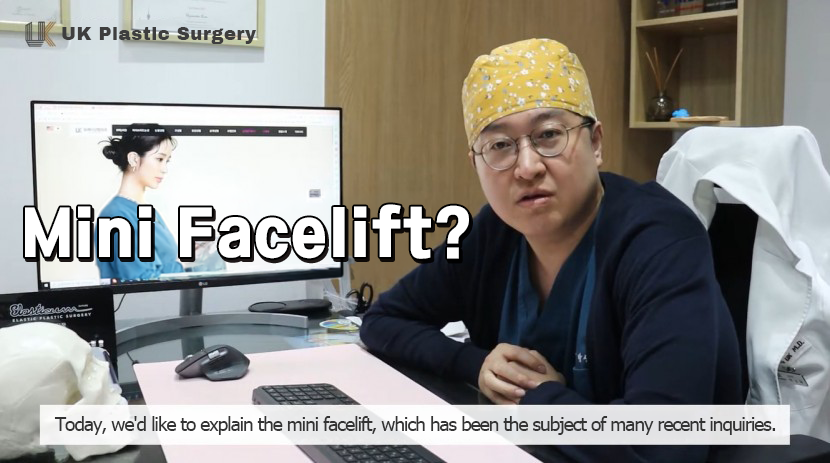
If your jawline has become less defined than before or the contour running from your jaw to your ears has begun to sag, many people ask us about mini facelift surgery.
It is important to determine whether this is simply a matter of reduced skin elasticity or whether sagging of the deeper facial tissues is also involved.
Q1. What Is a Mini Facelift? How Does It Work?
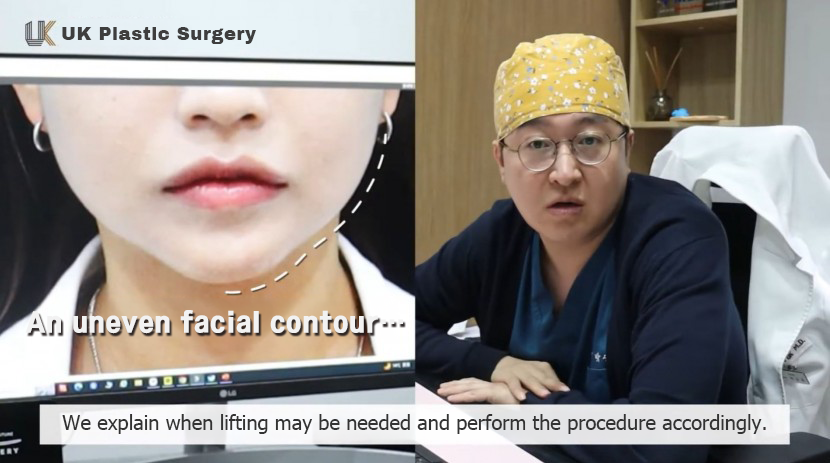
If the facial contour from the jaw to the ears has become less defined and the tissues around the jaw have begun to descend, you may consider a facelift procedure if these changes have altered your facial contour.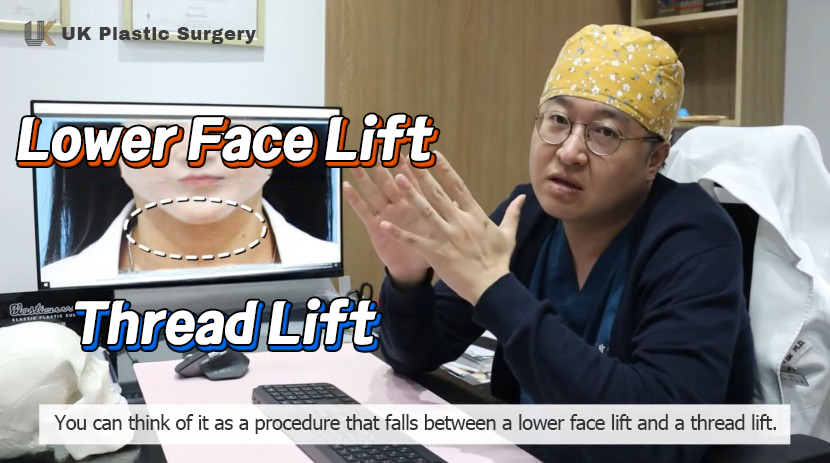
A mini facelift is a surgical procedure that uses a small incision to lift sagging facial tissues and improve the contour of the lower face.
The key to a mini facelift is determining how to address the skin and underlying supporting tissues according to the degree of tissue sagging.
Depending on the surgical technique, an incision is made along the hairline or around the ear, and the tissue beneath the skin is dissected within the necessary area.
The sagging tissues are then repositioned or lifted, and any excess skin may be removed.
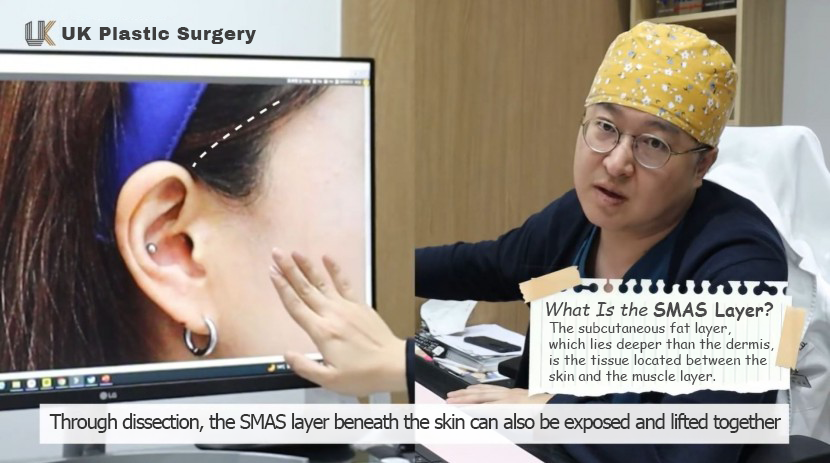
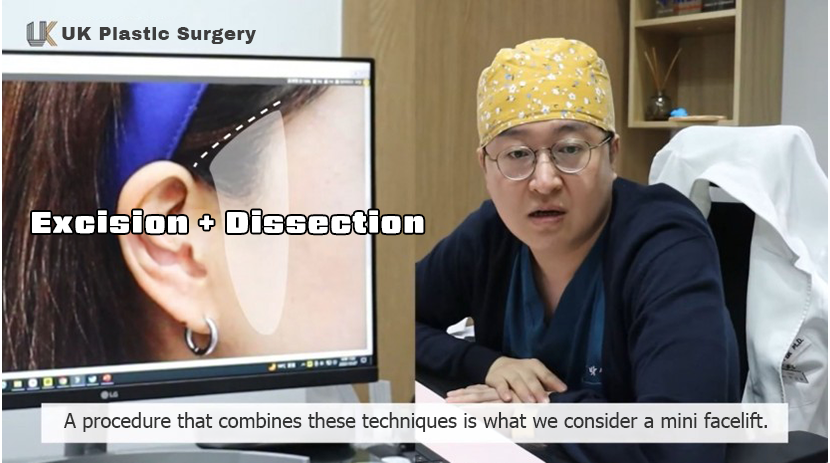
One important anatomical structure involved is the SMAS (Superficial Musculoaponeurotic System) layer.
This is a fibrous fascial layer connected to the muscles responsible for facial expression. In facelift surgery, how the deeper tissues, including this layer, are repositioned is an important part of the procedure.
The surgical technique may vary depending on each individual's anatomical characteristics, including the degree and cause of sagging, the incision and dissection areas, and how the SMAS layer is addressed. Therefore, the surgical approach may differ from one person to another.
Q2. What Are the Main Features of a Mini Facelift?
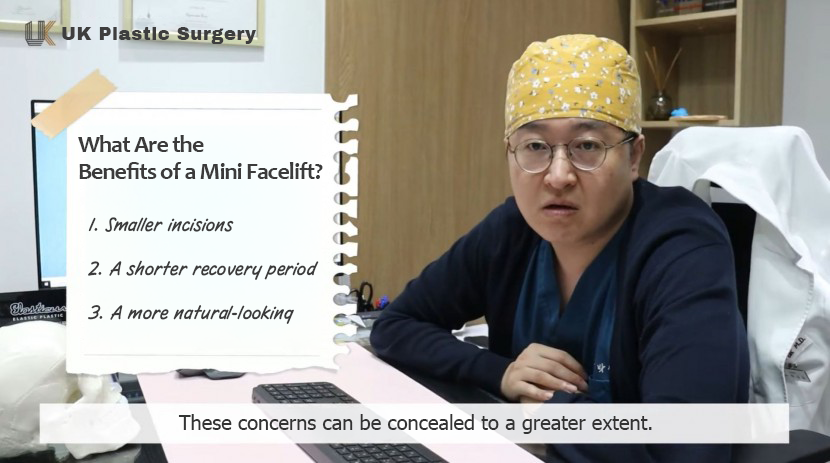
A mini facelift may be performed within a limited surgical area and can have the following characteristics:
● Limited incision area: Depending on the surgical plan, the incision can be relatively small.
● Approach to sagging tissues: Unlike techniques that only tighten the skin surface, this procedure can also address the underlying tissues.
● Removal of excess skin: If skin laxity is accompanied by excess skin, skin excision may be performed.
● Recovery considerations: Recovery may be relatively quicker than after an extensive facelift, and the procedure may improve the facial contour in a natural-looking way.
However, a smaller incision does not mean that scarring or complications are impossible.
It is advisable to make a decision about surgery after a thorough consultation with a medical professional.
Q3. What Care May Be Needed After a Mini Facelift?
Facial contour is influenced by various factors, including the amount and distribution of fat, skin elasticity, and facial volume. When planning a mini facelift, it is important to consider not only lifting sagging tissues but also achieving a natural-looking change in the overall face.
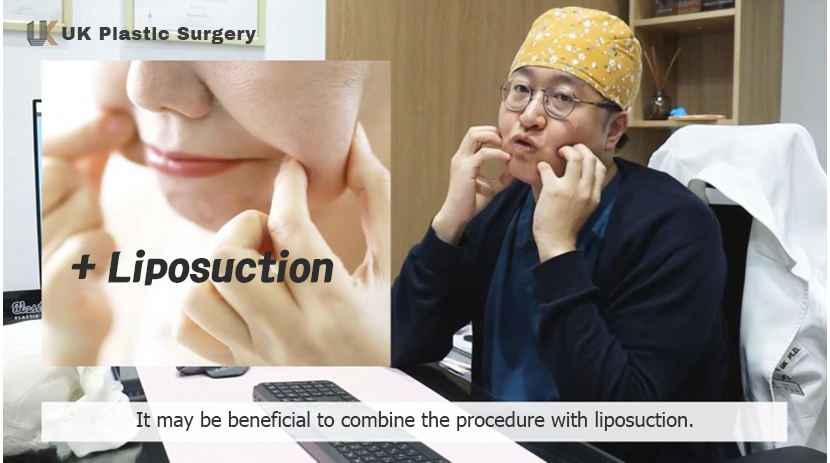
- For concerns about fat in the lower face
If the lower face feels heavy and the jawline appears less defined, liposuction may be considered in combination with the procedure.
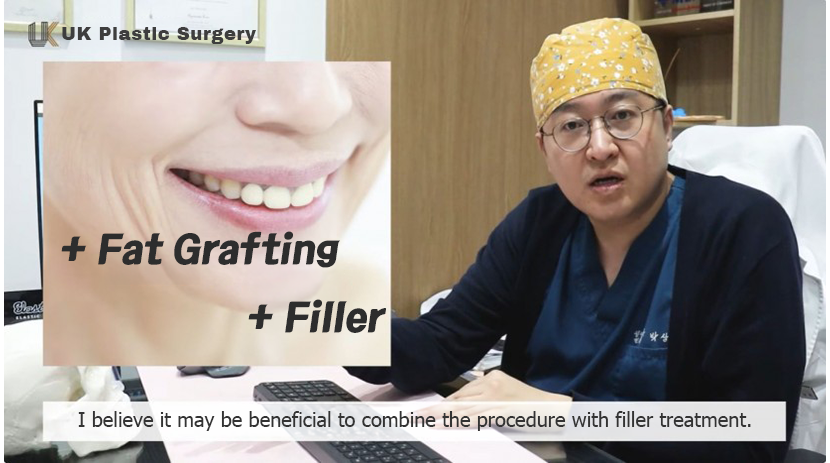
- For concerns about loss of facial volume and wrinkles
If the face appears hollow due to volume loss or wrinkles are prominent, fat grafting or fillers may be considered in combination with the procedure.
- For long-term skin care needs
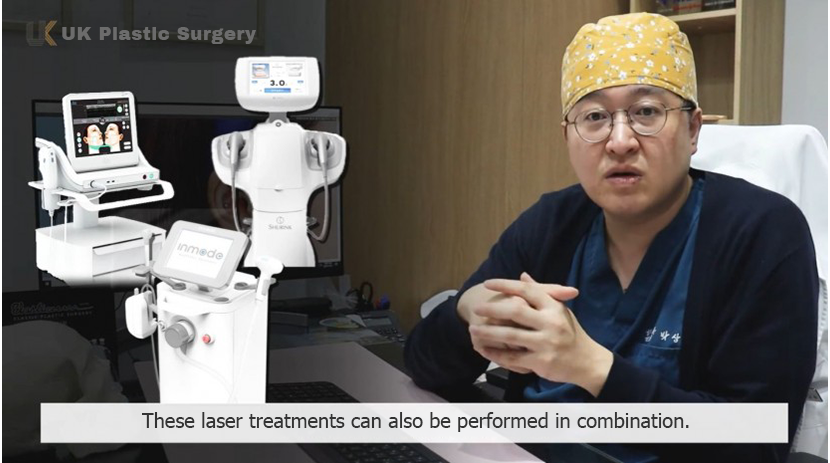
A mini facelift is intended to improve sagging. To help slow visible signs of natural aging, treatments such as Botox or energy-based lifting procedures, including Ultherapy, Shurink, and InMode, may be considered.
It is important to evaluate facial fat distribution, volume, skin elasticity, and the degree of aging comprehensively in order to establish an appropriate treatment plan.
Not every treatment or surgical procedure needs to be combined. Additional options are selected according to the individual's condition and goals for natural-looking rejuvenation.

Q4. Frequently Asked Questions (Q&A)
1. What is the difference between a mini facelift, thread lifting, and a full facelift?
Thread lifting uses medical threads to support and lift sagging tissues, without making an incision.
A mini facelift involves an incision to dissect the tissue beneath the skin and may include correction of the SMAS layer or removal of excess skin.A full facelift may involve a wider incision and dissection area, depending on the degree of sagging and the extent of correction required, allowing both the skin and deeper tissues to be addressed.
These three procedures differ in their methods and the extent of correction. Therefore, rather than choosing based solely on whether an incision is involved, it is important to consider skin elasticity, the degree of tissue sagging, and the areas you wish to improve when determining the most appropriate approach.
2. Is the recovery period after a mini facelift shorter?
In general, when the surgical area is limited, the recovery burden may be relatively lower.
Actual recovery time varies depending on the extent of surgery, the individual's health, and the degree of swelling and bruising.
3. Can a mini facelift prevent aging?
A mini facelift is a procedure intended to improve existing facial sagging; it cannot stop the natural aging process itself.
Even after surgery, the skin and soft tissues may continue to change over time.
To help maintain the improvement in sagging for longer, treatments such as Botox or lifting laser procedures may also be considered.
https://www.youtube.com/watch?v=VYeuSwhAB04&t=2s
#UKPlasticSurgeryClinic #BusanUKPlasticSurgeryClinic #BusanMiniFacelift #MiniFacelift #Facelift
- 이전글Centum整形外科|UK整形外科:如果下颌线不再如从前般清晰?哪些情况适合进行小切口拉皮手术 26.11.12
- 다음글센텀시티 유케이성형외과, 필러 용량보다는 '어떤 필러를 어디에 사용하느냐'에 다릅니다. 26.11.12